Medicare-Approved Footwear

Medicare-Approved Shoes


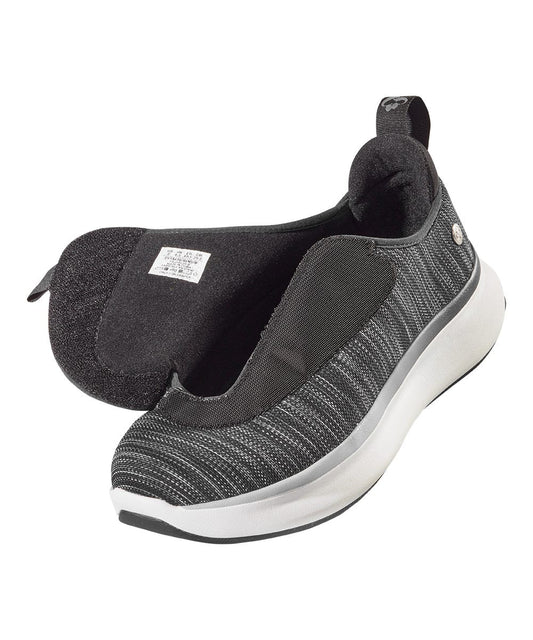
At Silverts, we understand that finding the right footwear becomes even more important when managing diabetes or other foot-related health conditions. Our Medicare-approved footwear collection is specifically designed to meet the therapeutic requirements for insurance reimbursement while providing the comfort, support, and adaptive features that seniors need for daily living. Each pair in this collection is designed with extra depth to accommodate custom orthotics and diabetic inserts, providing the protective features required for Medicare reimbursement under HCSPCS code A5500.

Adaptive Features for Easy Wearing


What sets our Medicare-approved footwear apart is the combination of medical-grade construction with adaptive features designed specifically for senior needs. Every pair features easy-touch closures that eliminate the struggle with traditional laces, making these shoes accessible for independent dressing even with arthritis or limited hand dexterity. Our collection includes both walking shoes and comfort shoes that work for various activities and mobility levels, with our shoes for elderly women incorporating stylish designs that don't sacrifice therapeutic benefits. Our specialized diabetic shoes provide essential protection for sensitive feet while meeting all Medicare therapeutic footwear requirements, helping to prevent complications and maintain mobility.

Safety and Stability Features


Fall prevention is a critical consideration in all our Medicare-approved footwear. Every pair includes non-slip soles that provide essential traction on various surfaces, helping to prevent dangerous slips and falls. The supportive construction helps maintain proper gait and balance, while the cushioned insoles reduce joint stress and foot fatigue during walking. Beyond our Medicare-approved walking shoes, we also offer complementary footwear options like non-slip slippers for seniors that provide essential fall prevention for safe indoor mobility, though these are not covered under Medicare reimbursement.